GHOSTLY VOID | ALVARO SIZA
Fall 2025
This project studies void and light through a series of spatial analyses and castings that reinterpret the Iberê Camargo Foundation beyond formal massing. Rather than treating void space as a geometric absence, the work approaches it as an experiential and atmospheric structure. By casting interior and exterior voids as solid objects, the study challenges the reading of void as an indicator of rhythm, hierarchy, or spatial order. Instead, the relationship between interior and exterior voids is rendered ambiguous and deliberately disruptive, where Siza aims to prevent clear legibility and fixed interpretation.
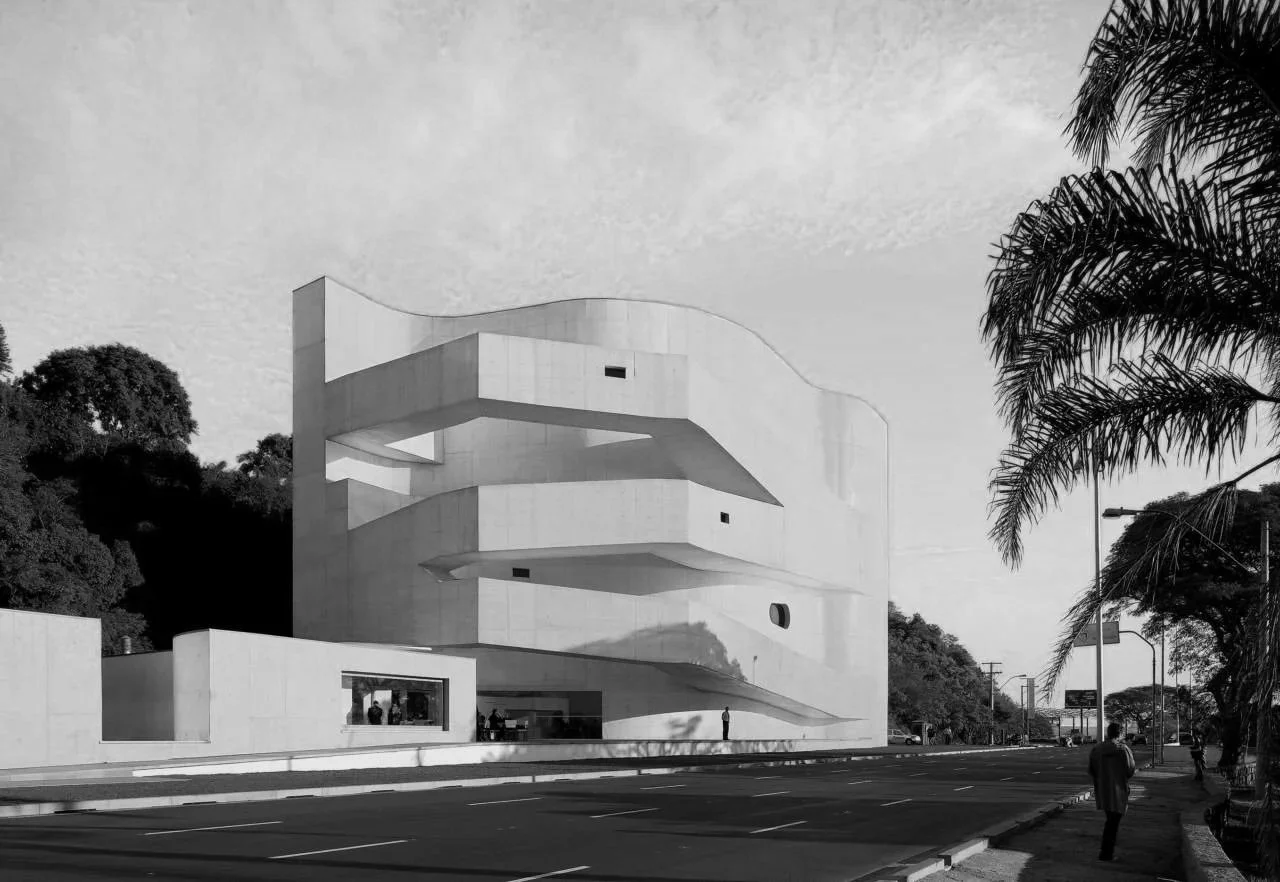
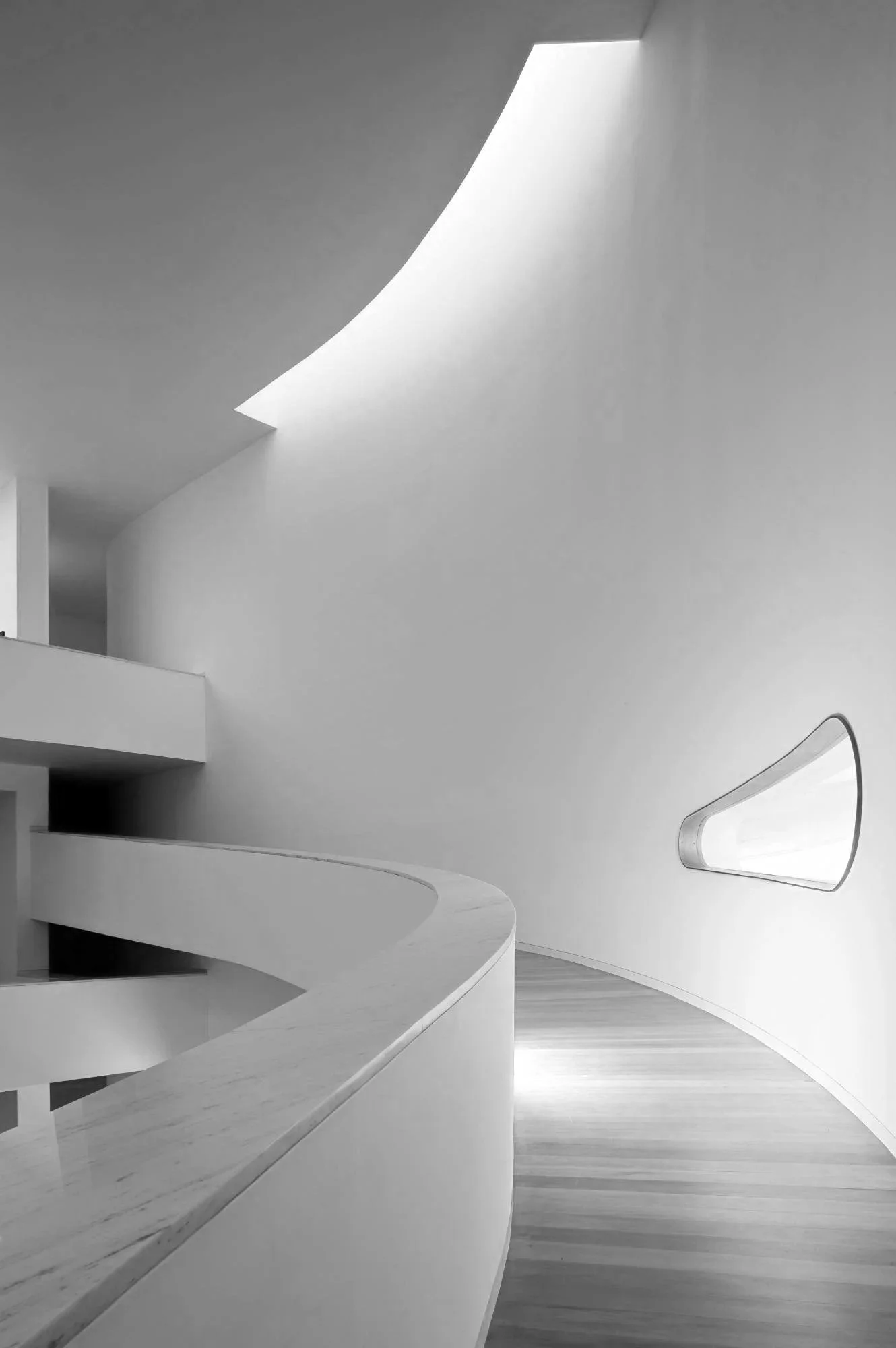
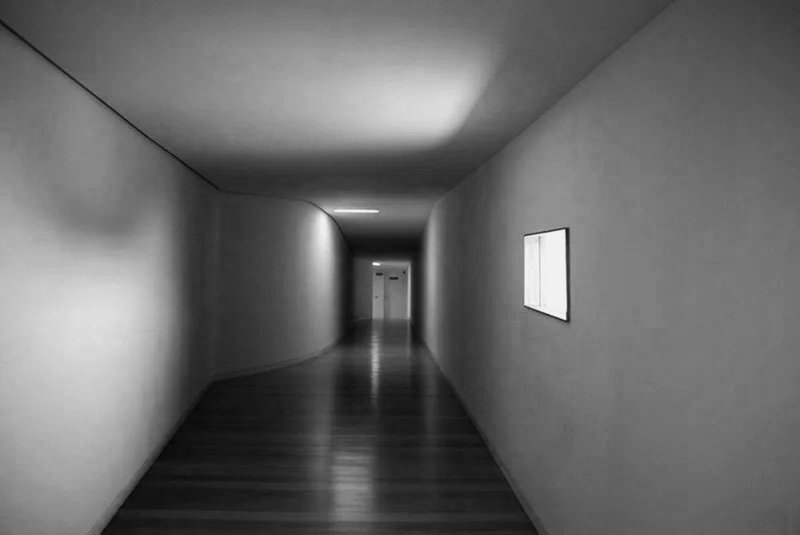
The Iberê Camargo Foundation, completed in 2008, houses the work of Brazilian painter Iberê Camargo. Situated on a steep former quarry beside a busy road, the site posed significant constraints while offering expansive views of the Guaíba River. Siza responds with a vertical white concrete building carved into the hillside, its curved profile and extruded ramps echoing the quarry’s geometry.
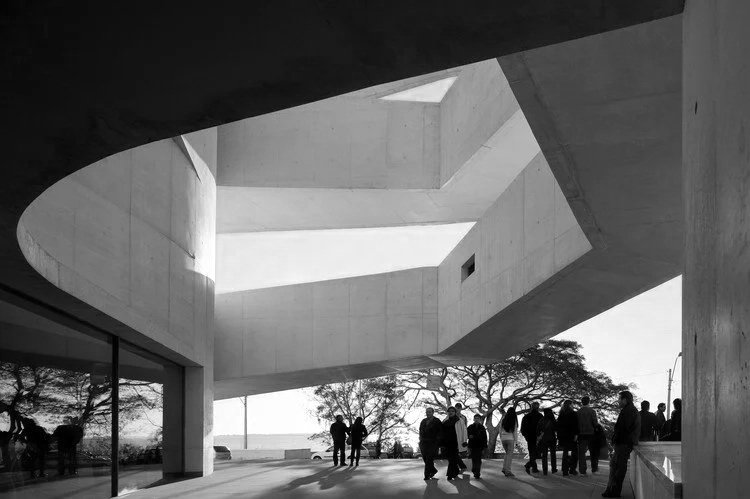
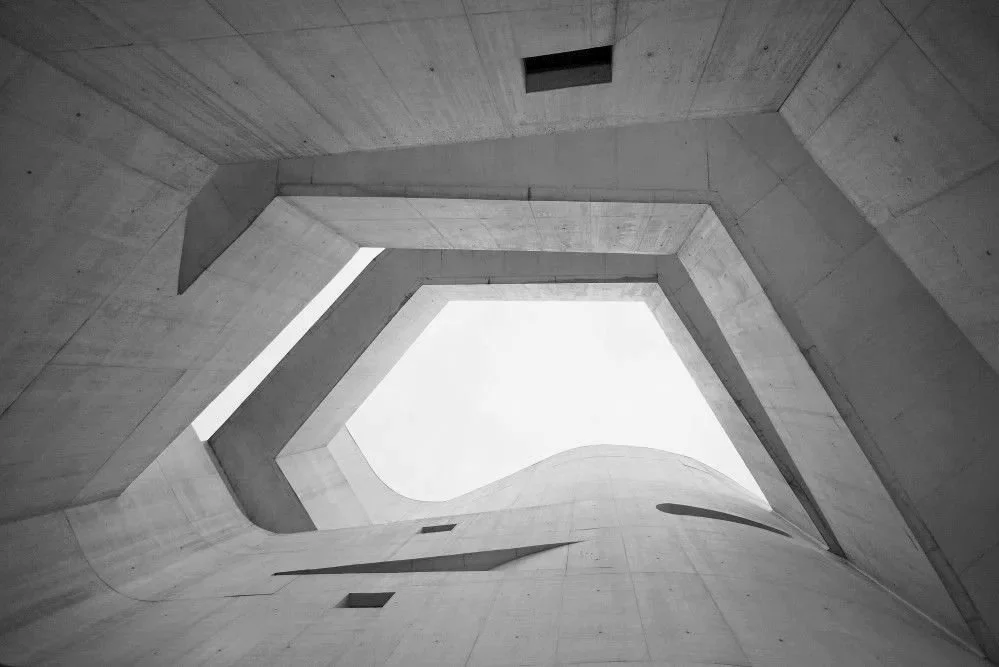
The building reads as both introverted and extroverted. Its limited openings give it a concealed presence, while the projecting ramps curve in and out of the facade, drawing visitors inward. These ramps frame a central void that operates as an intermediate space between interior and exterior.
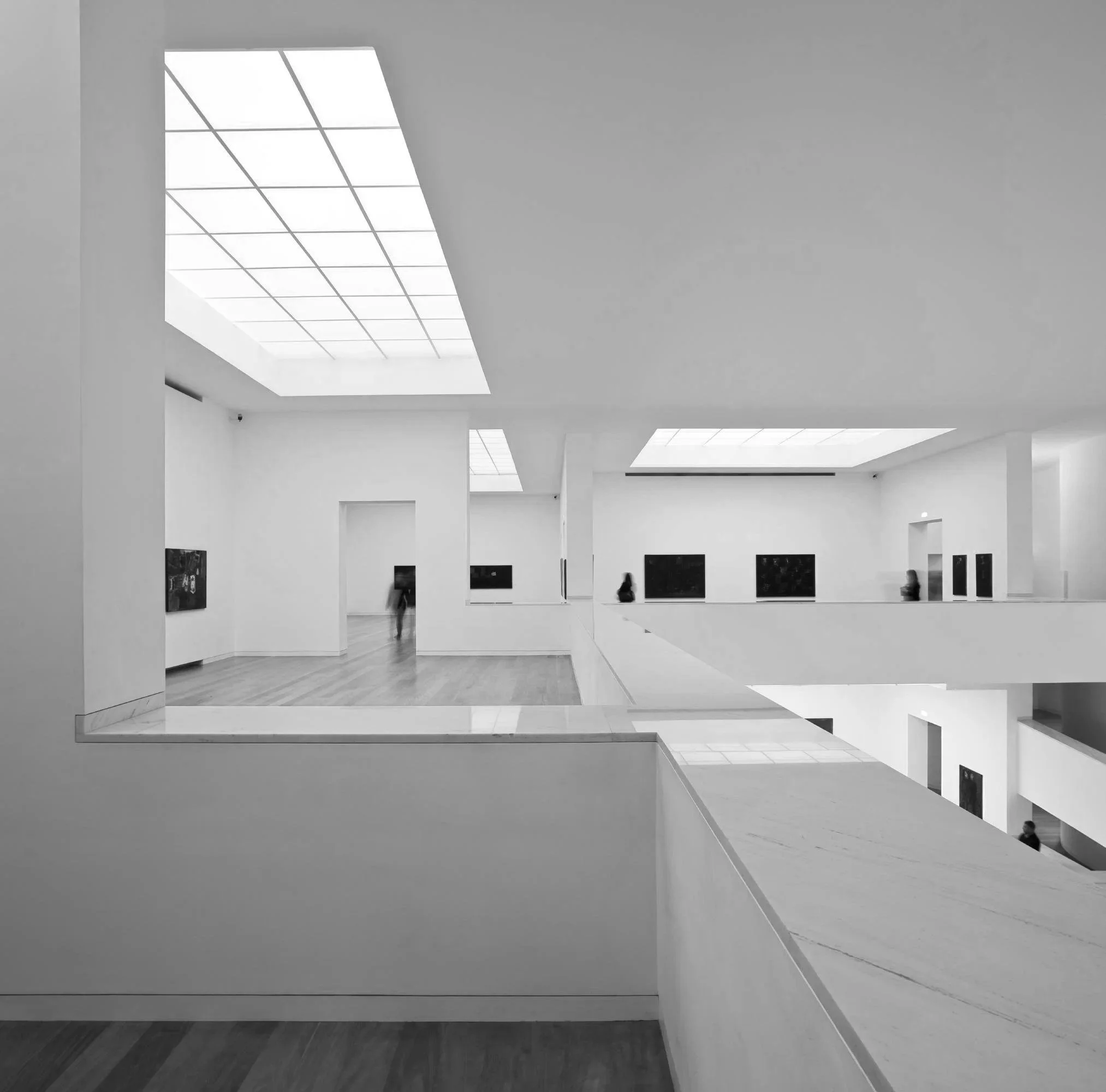
Inside, the building is organized around this void and unfolds through three distinct spatial experiences: the curved ramps along the atrium, the orthogonally organized exhibition spaces, and the extruded exterior ramps that are narrow, dark, and intimate. Together, they establish a layered sequence of movement shaped by light, compression, and release.
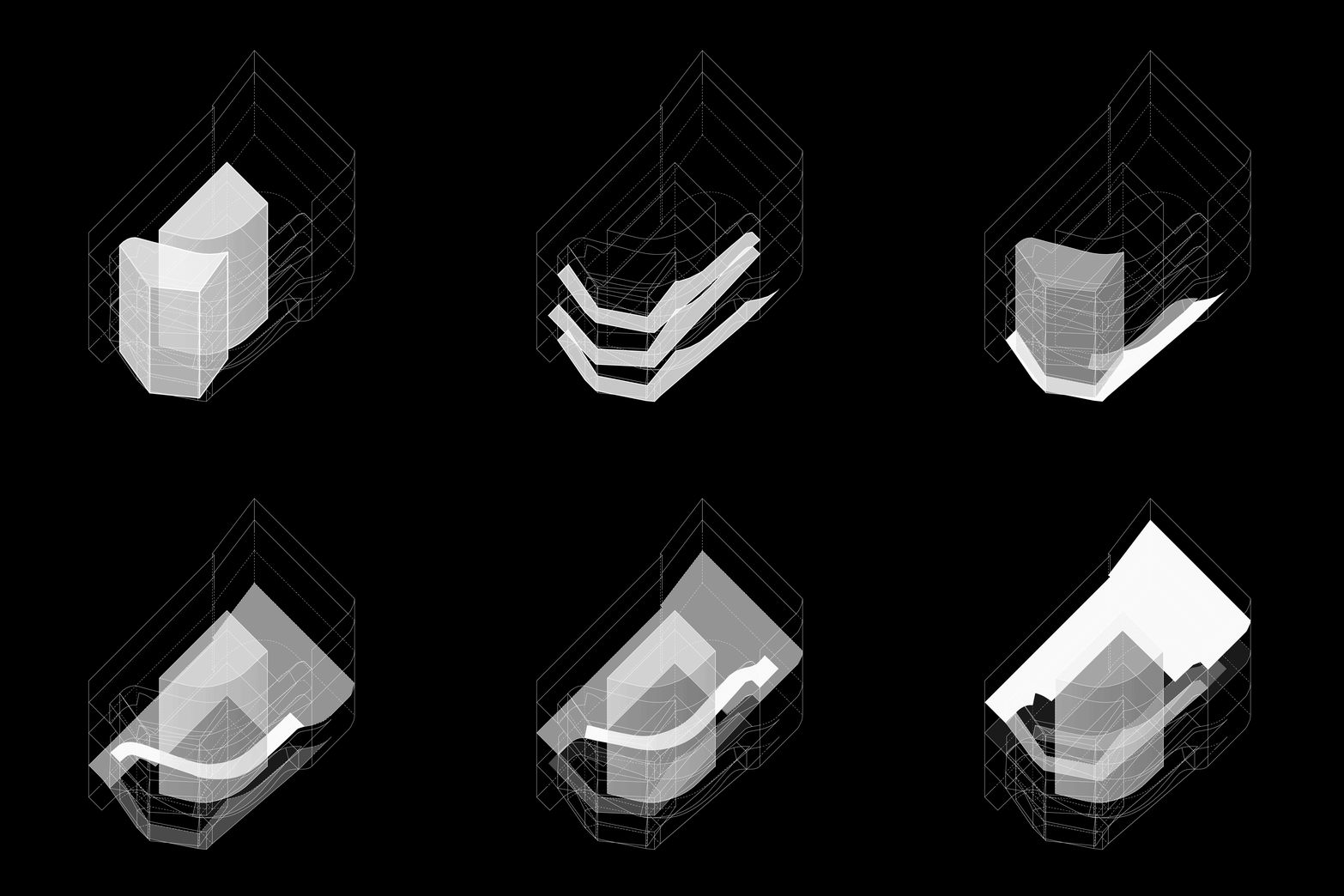
Sequence through the Void Spaces
The contrast between the interior and exterior voids makes this especially clear. The interior void is luminous and open, filled with reflected light. The exterior void, experienced through the ramps, is almost the opposite. You sense its presence without fully seeing it. Movement is tight and dark, guided by carefully framed openings that reveal only fragments of the space beyond. Moving through the ramp one can sense its ghostly presence.
The series of casting begins with a formal solidification of the building’s voids, and evolves into a set of abstracted, sequential studies that trace movement through them, capturing how light and atmosphere shape the experience of space. Casting as a process draws from Siza’s longstanding interest in sculpture and his desire for the building to be read as a carved object. The process itslef produces both a positive and a negative, making the relationship between mass and void explicit. Within the 5 sculptures, each moment highlights how space is shaped by carving, compression, and release. Read together, the casts operate like cinematic frames, capturing sequences of light, shadow, and circulation in both solid and void.
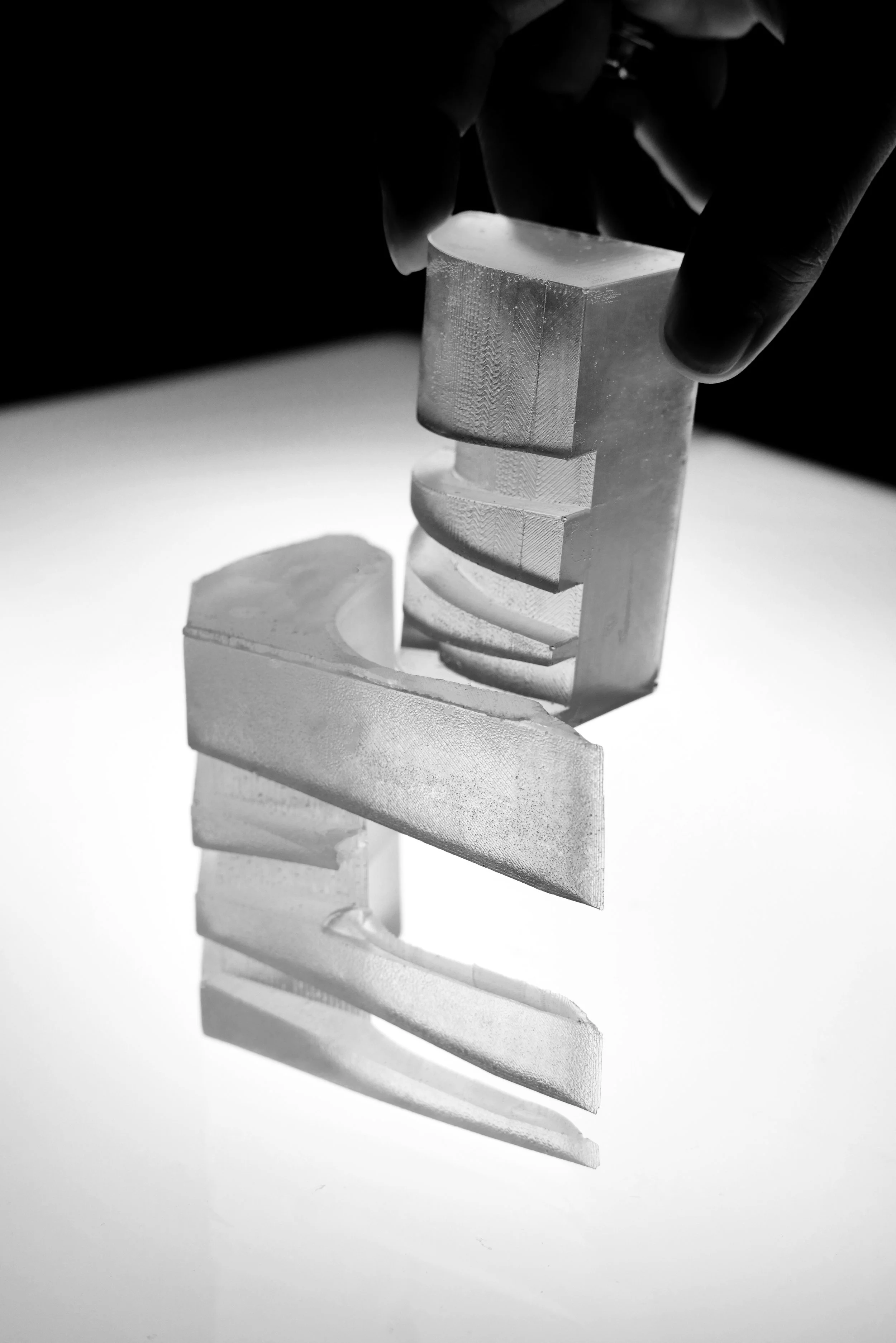
Voids as Solids: Interior and Exterior
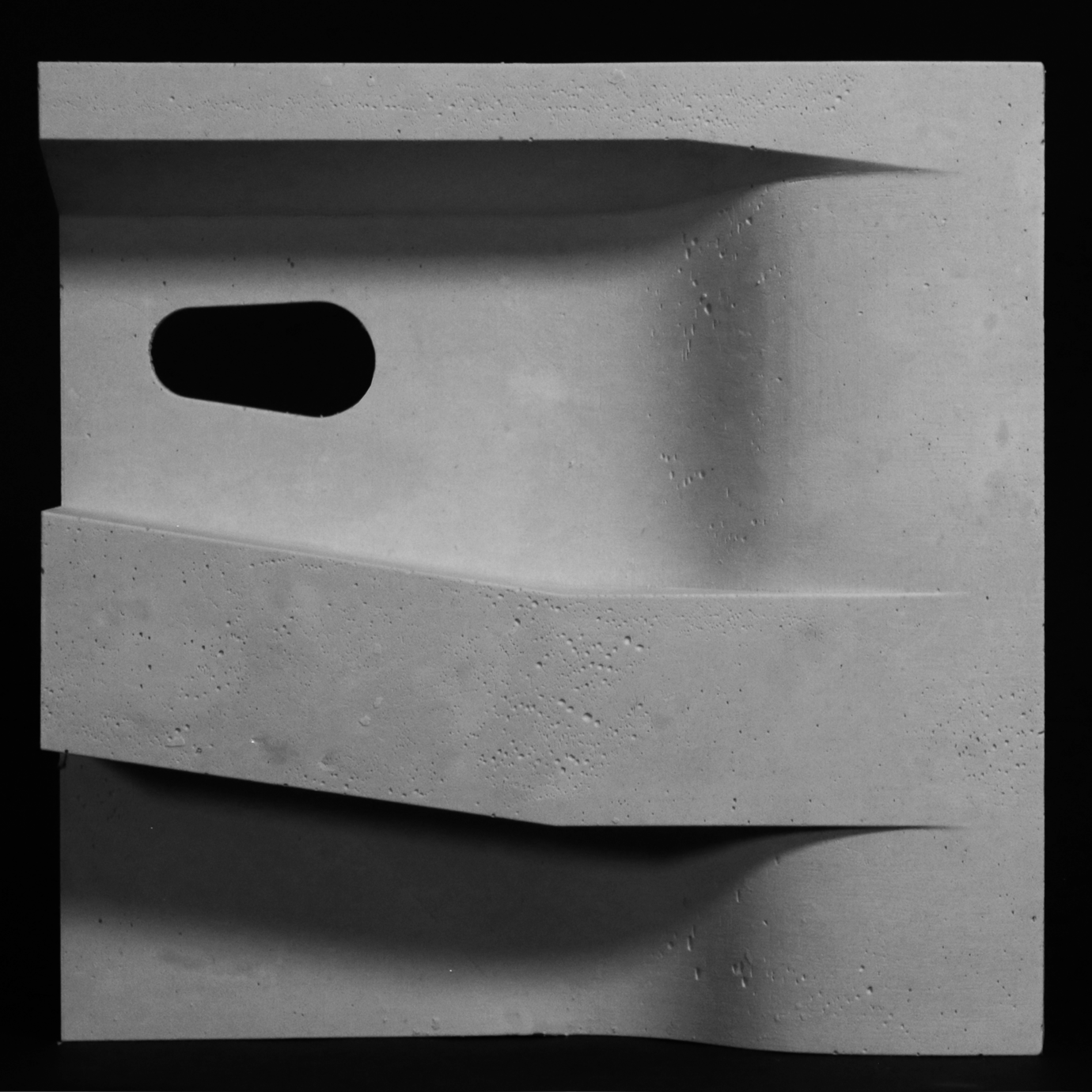
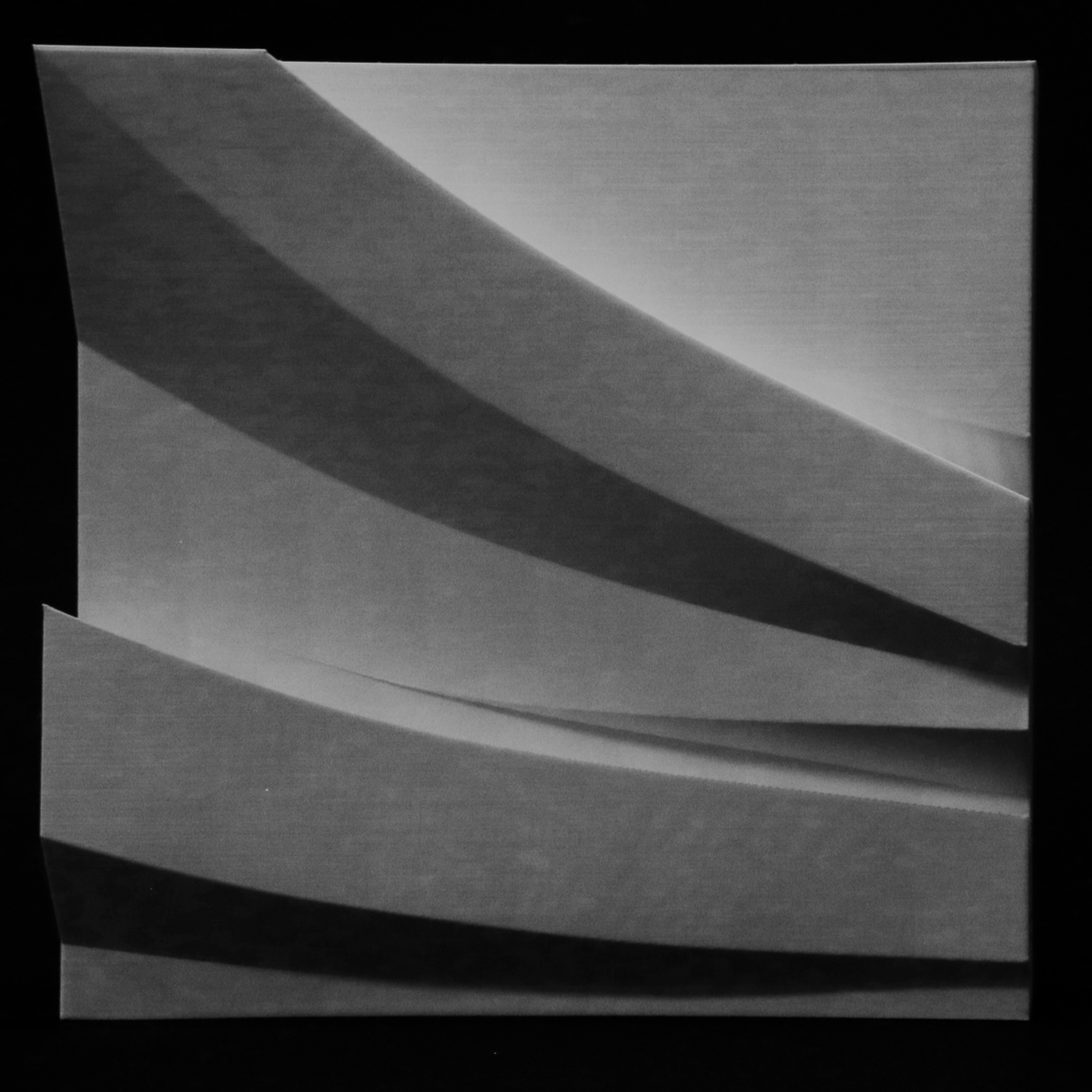
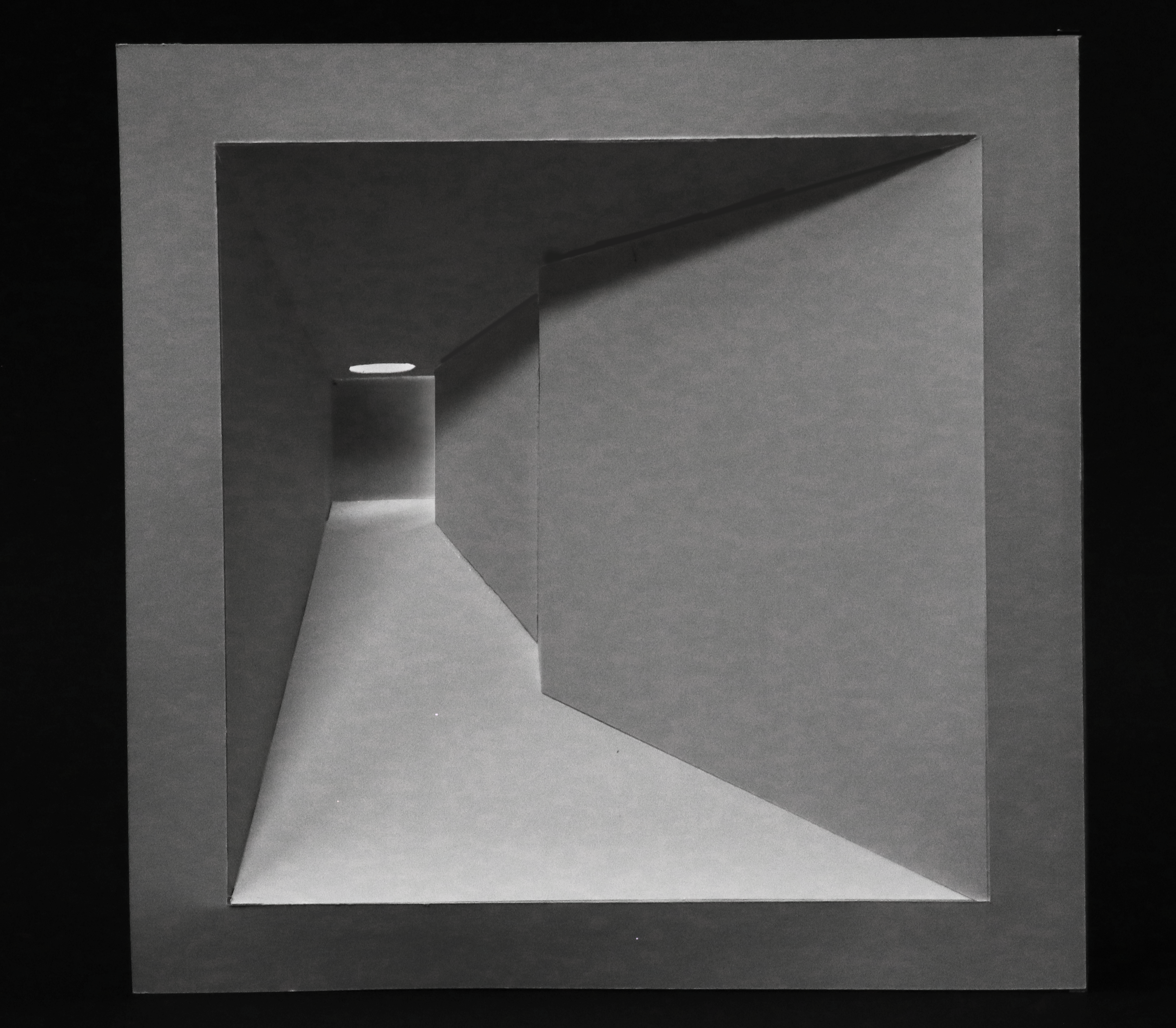
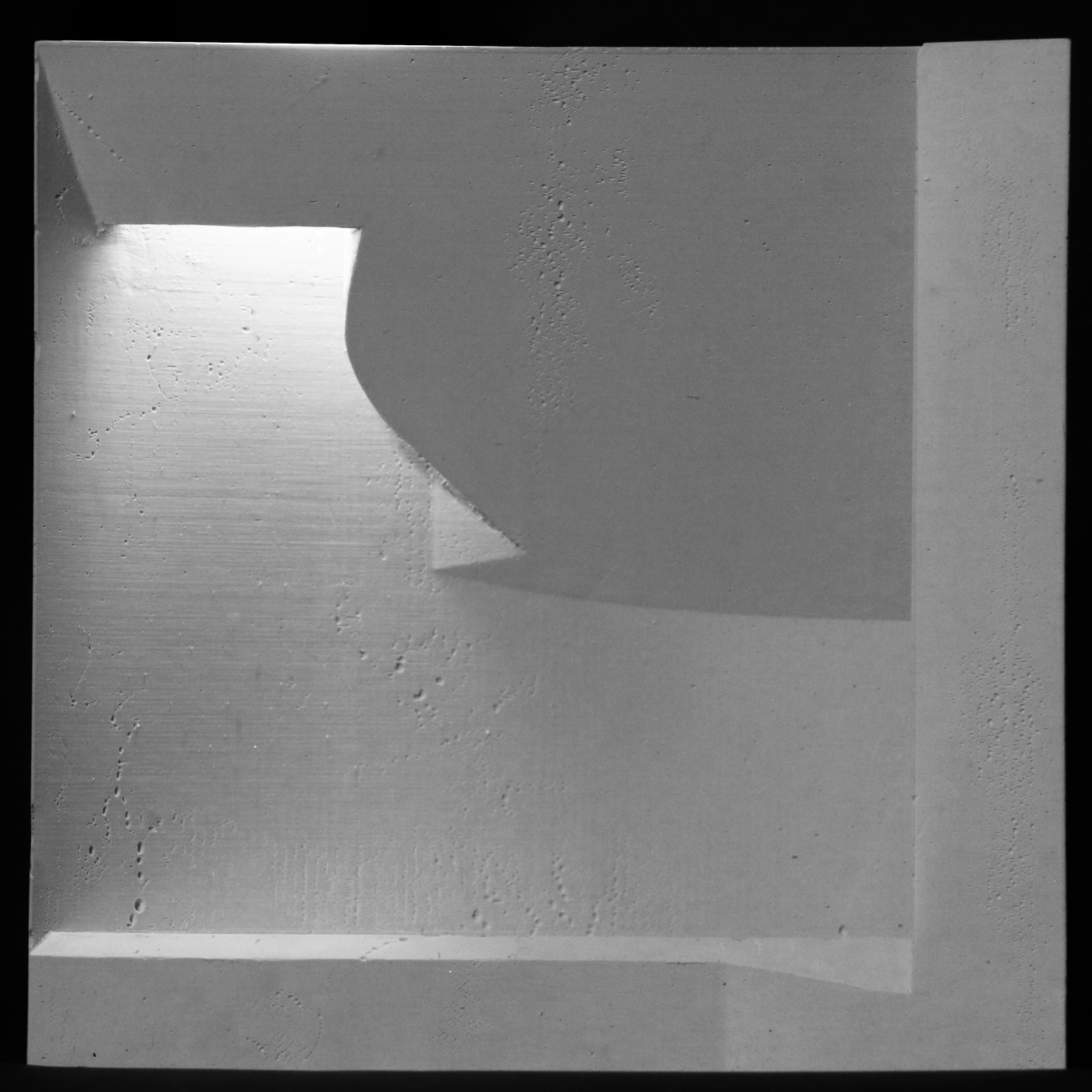
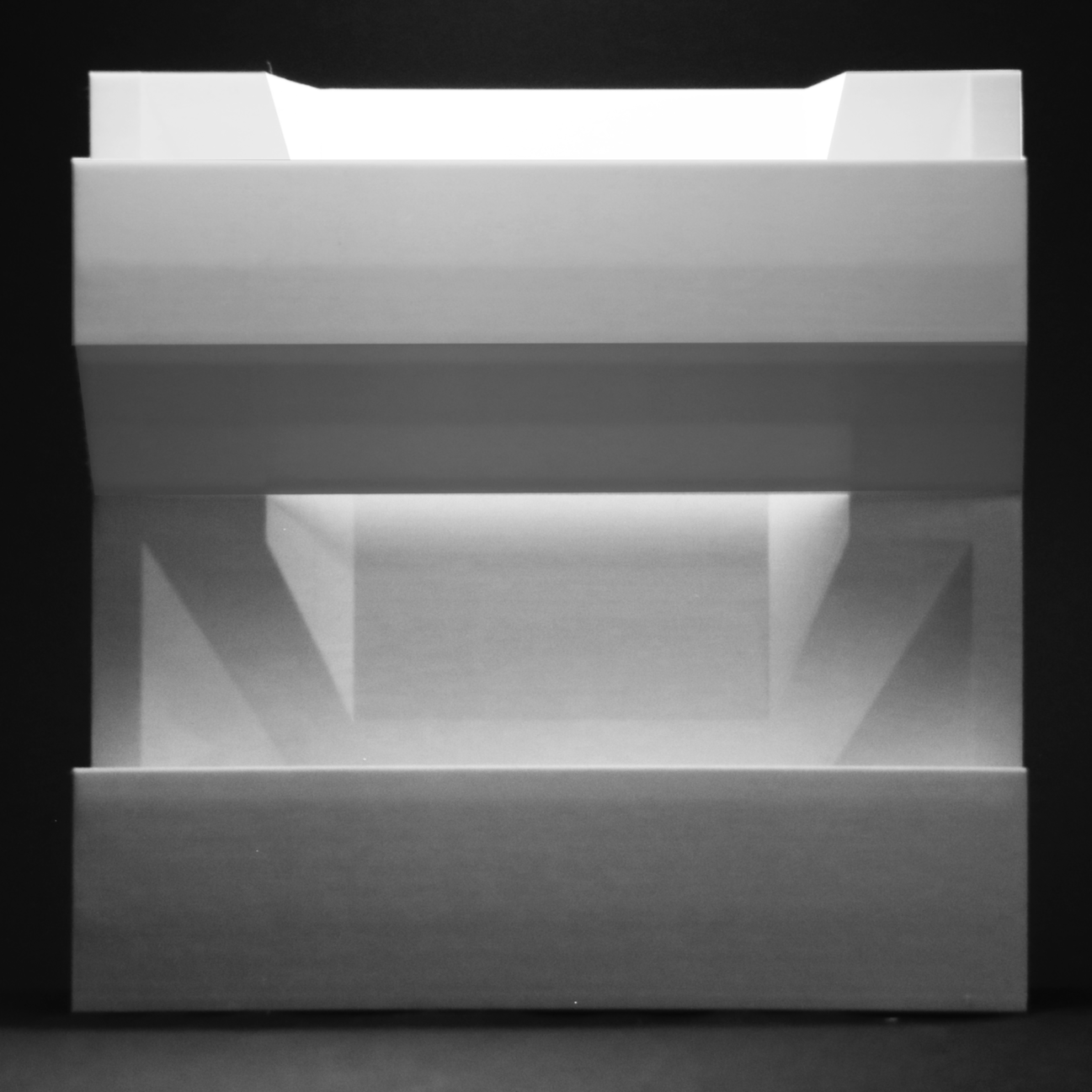
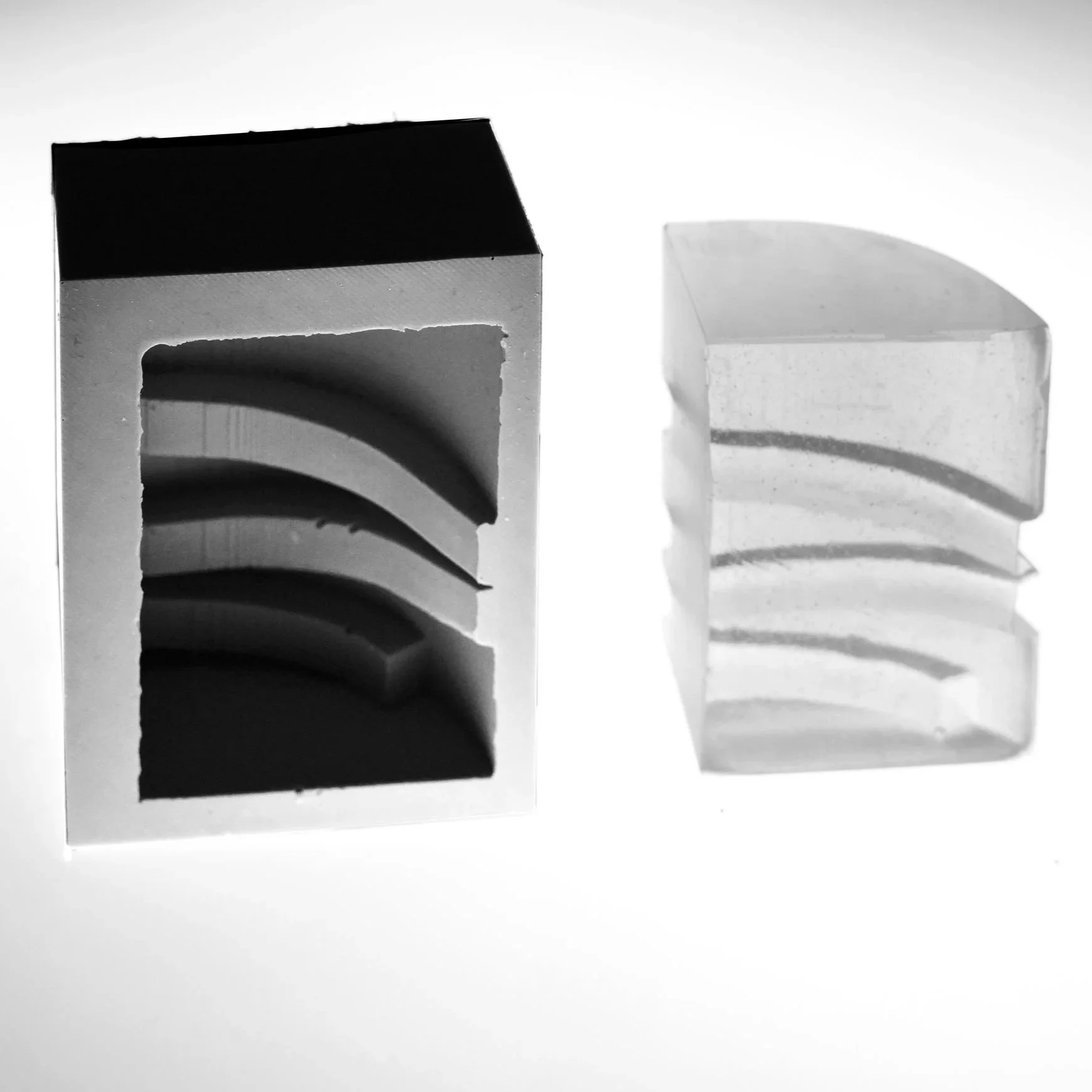
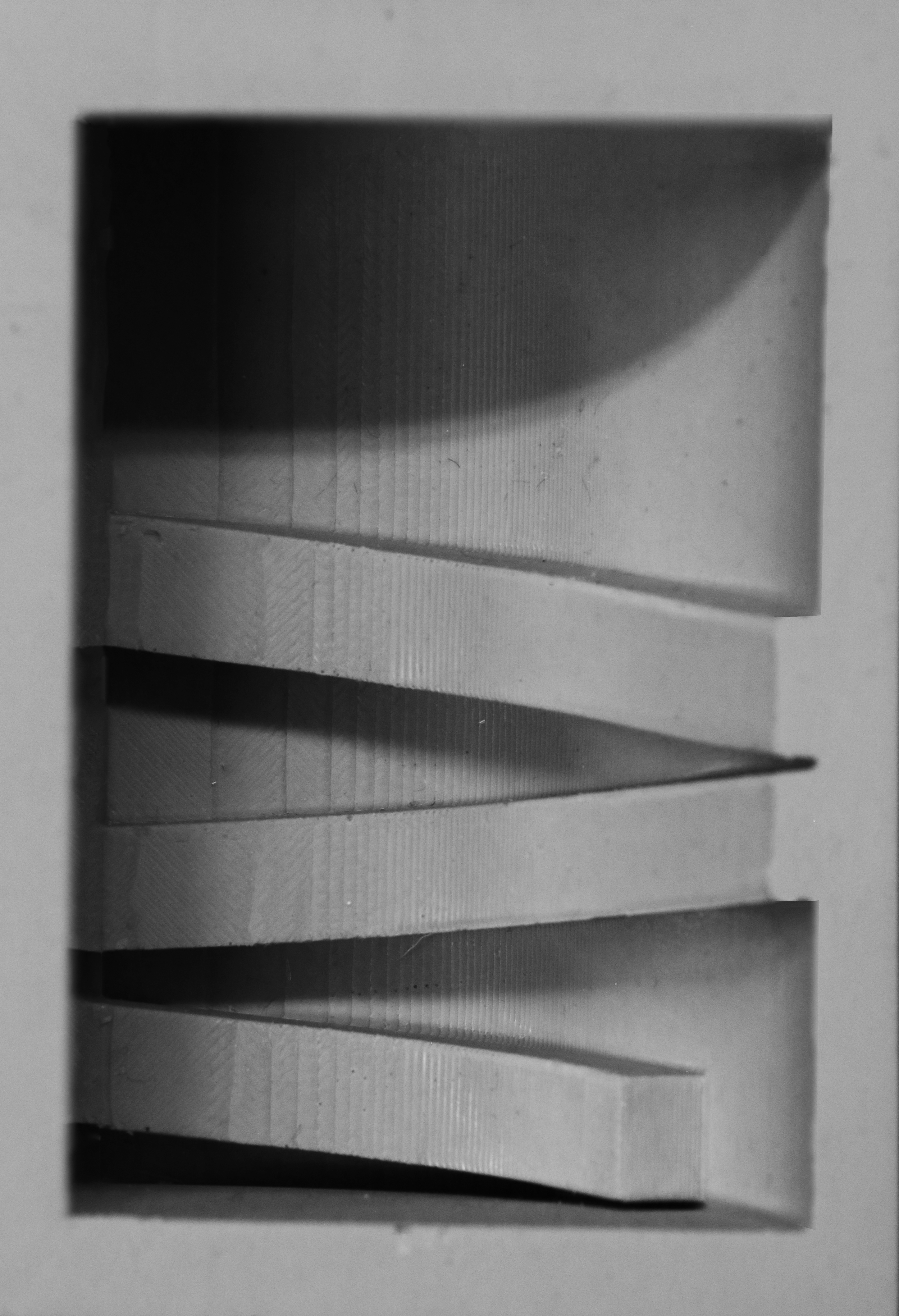
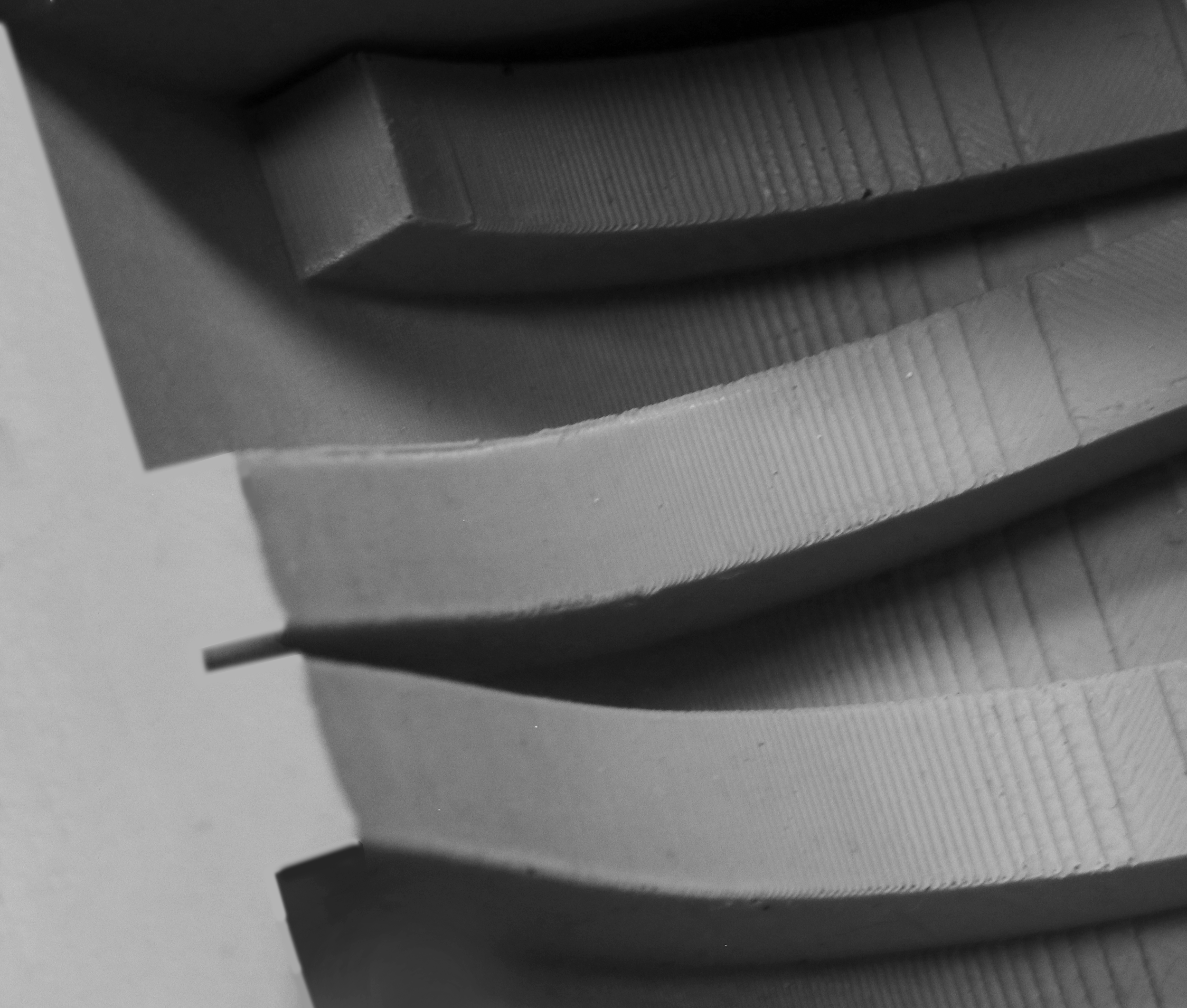
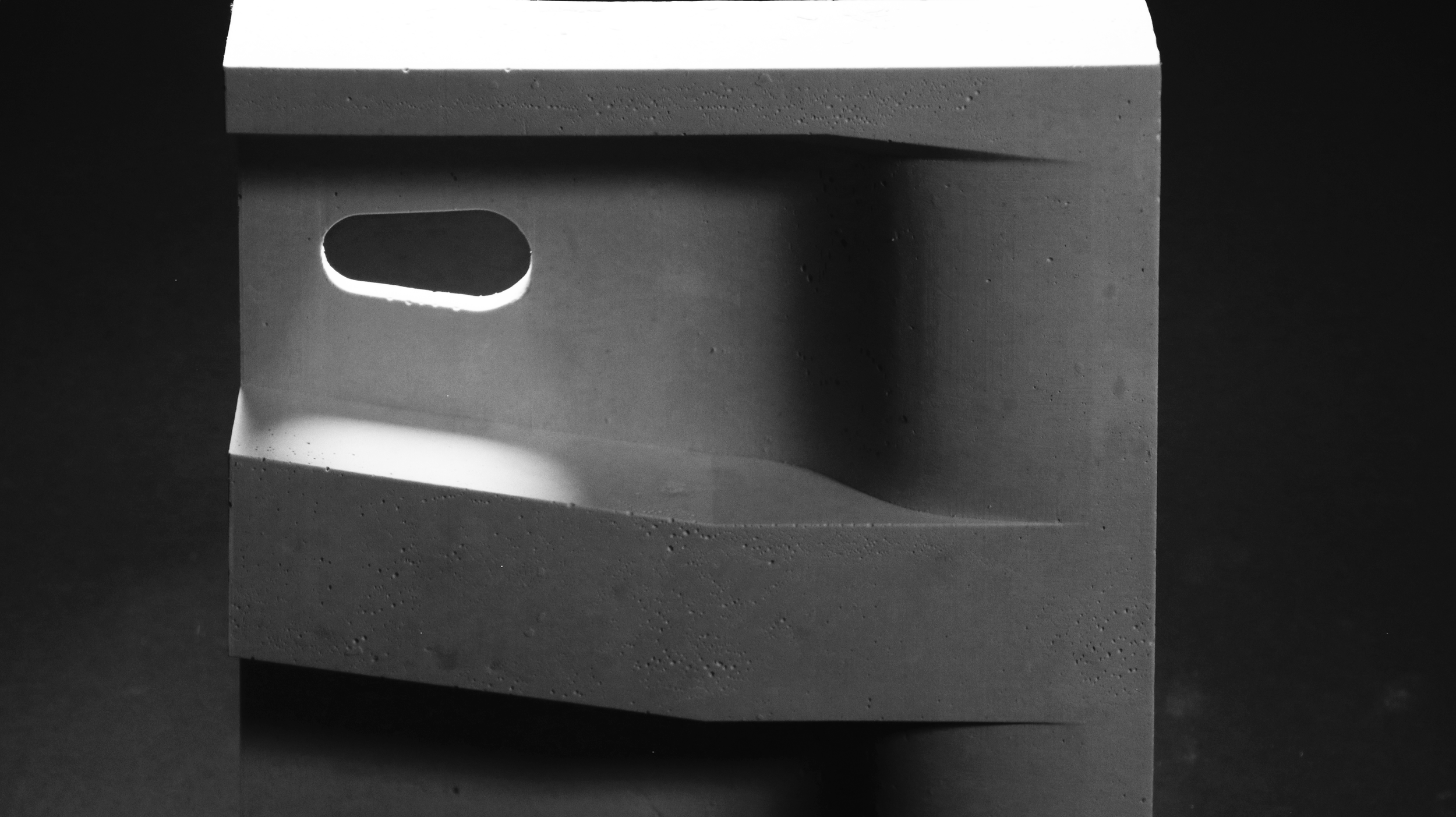
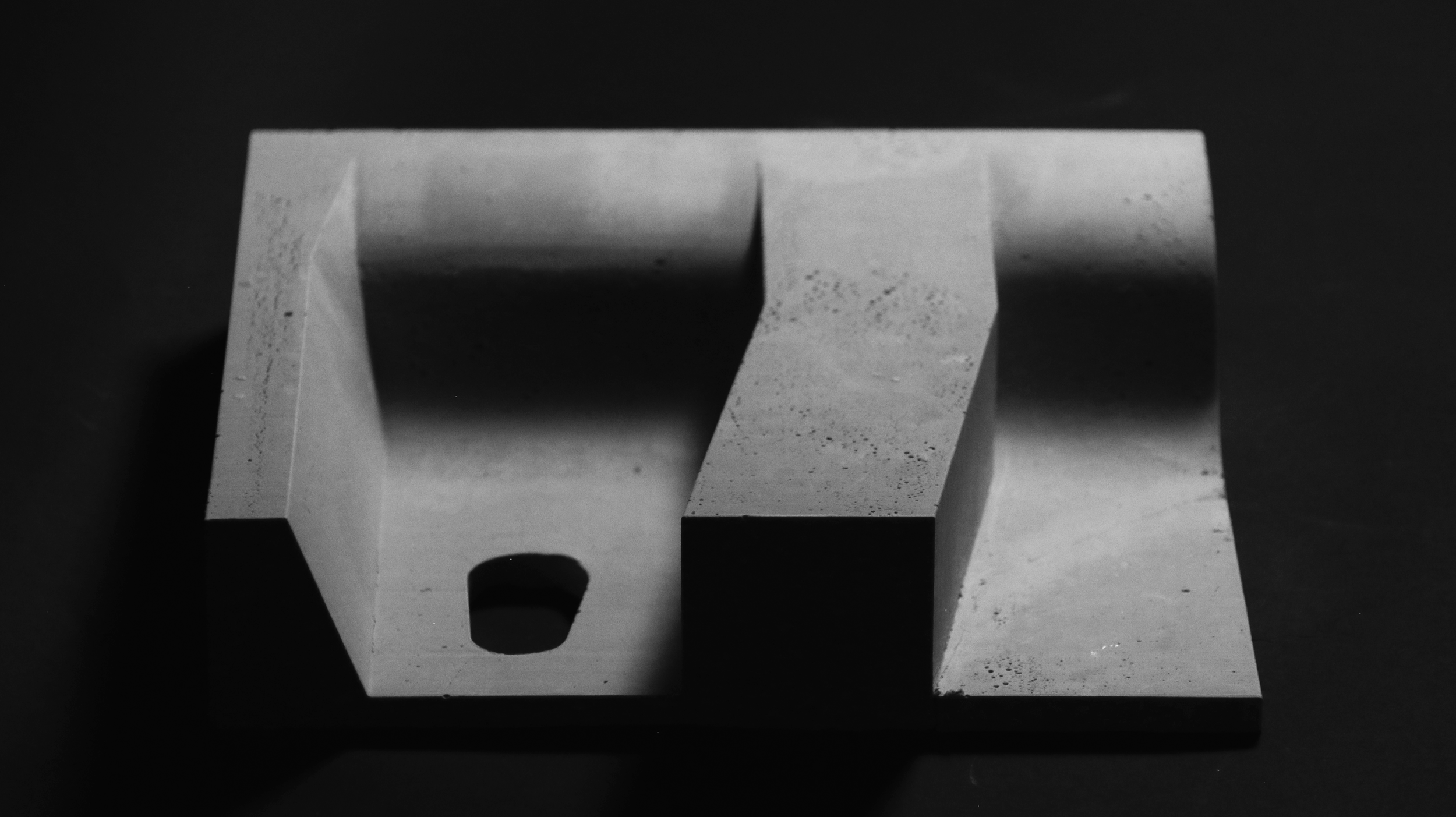
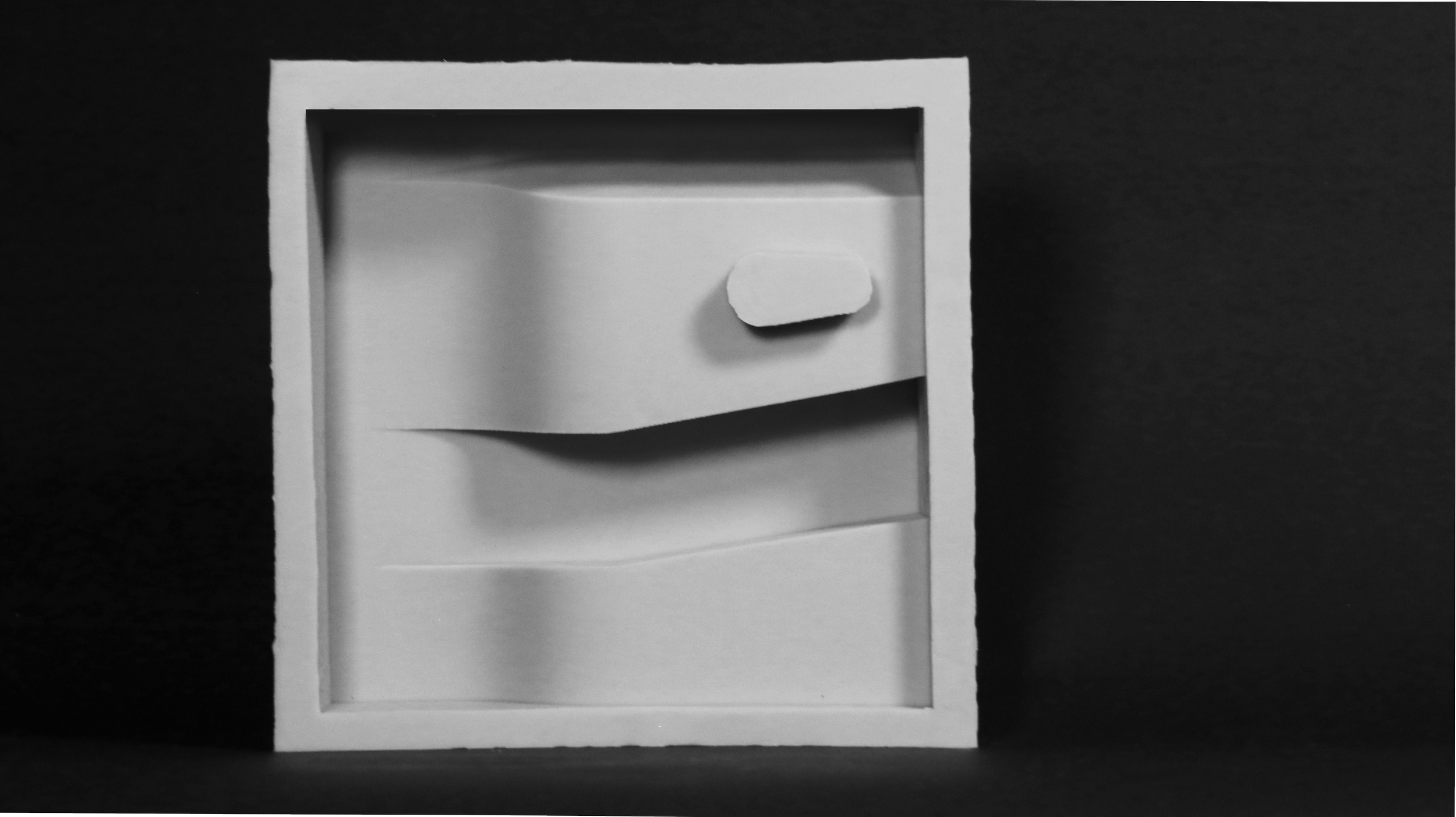
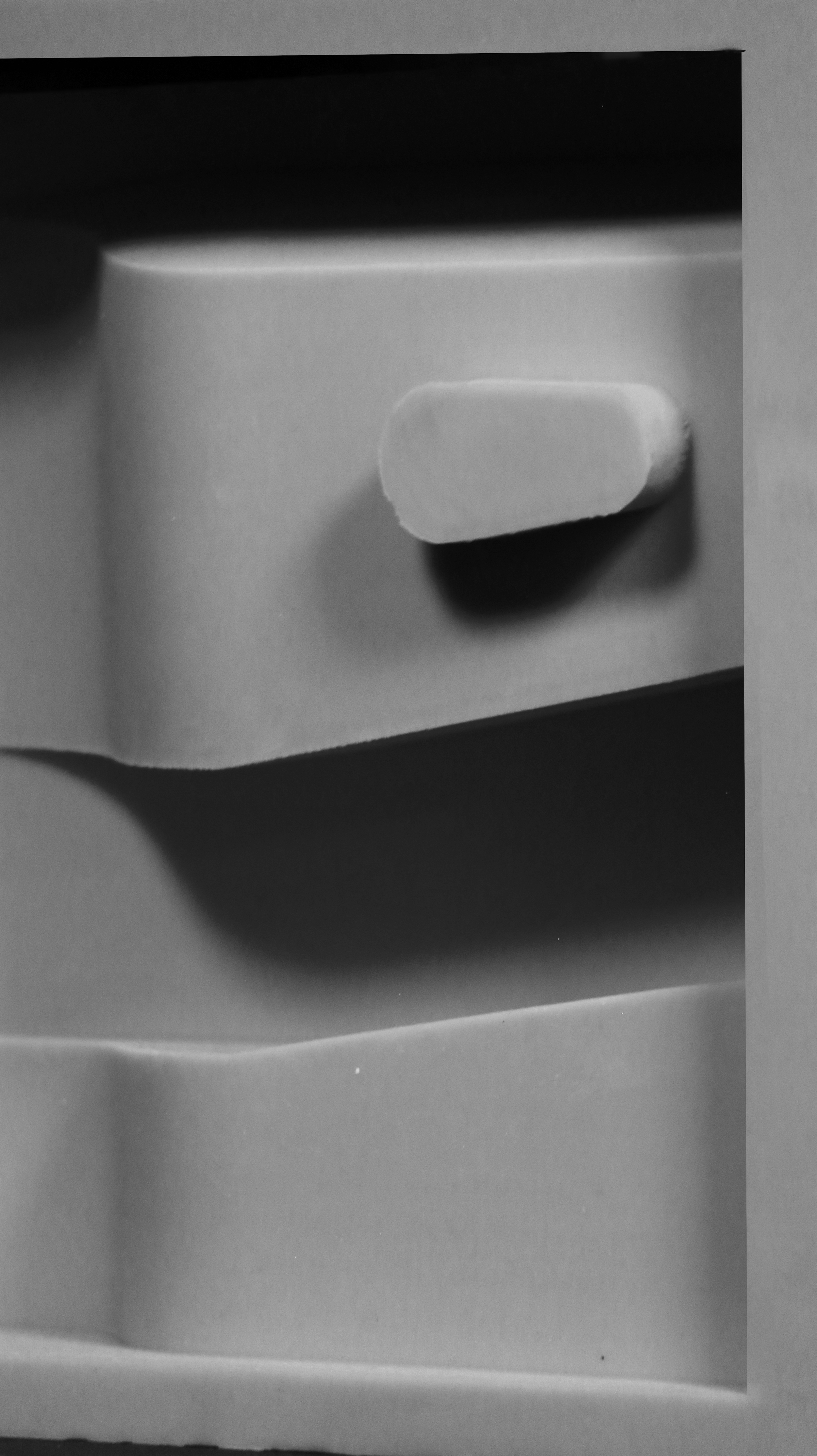

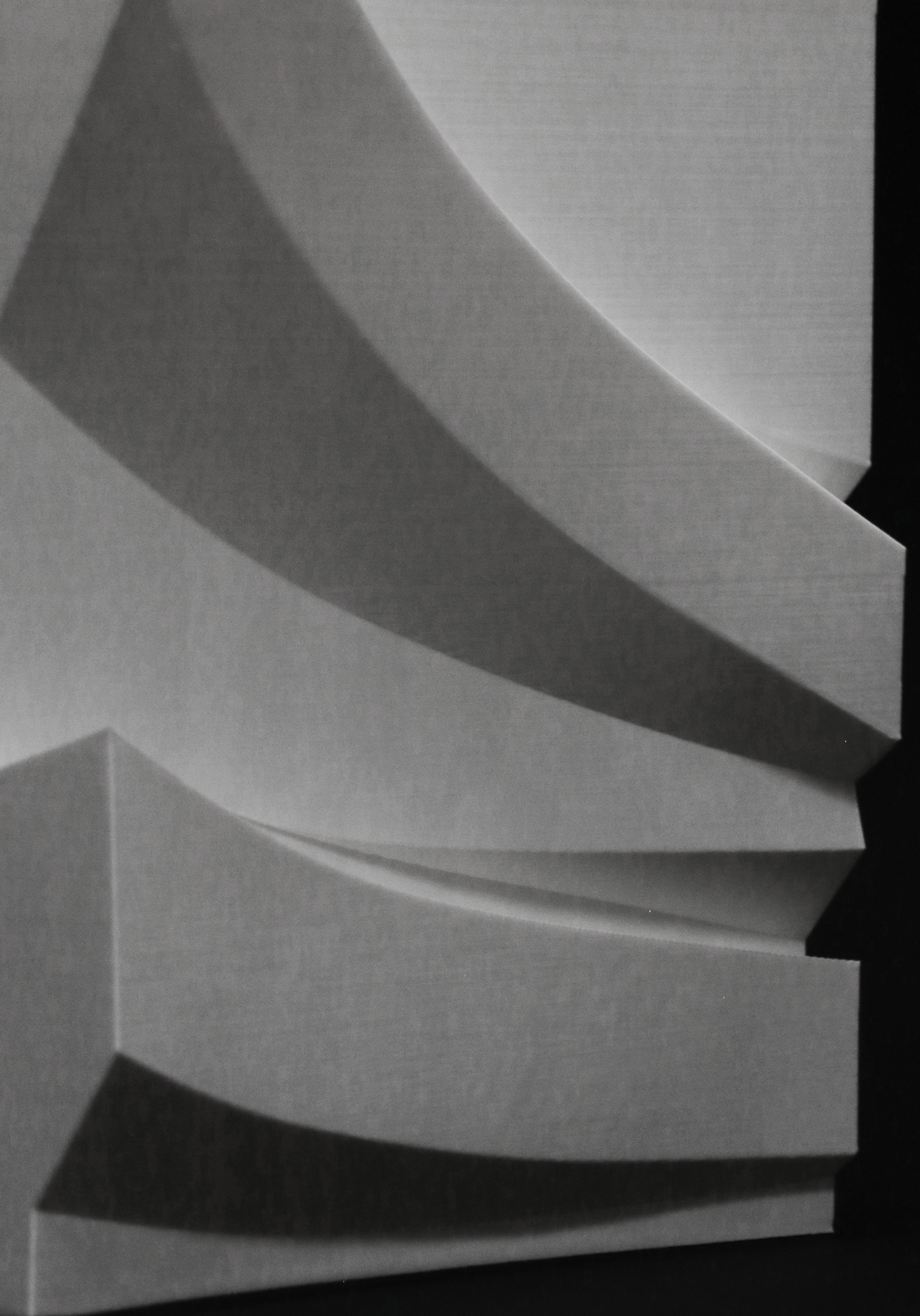
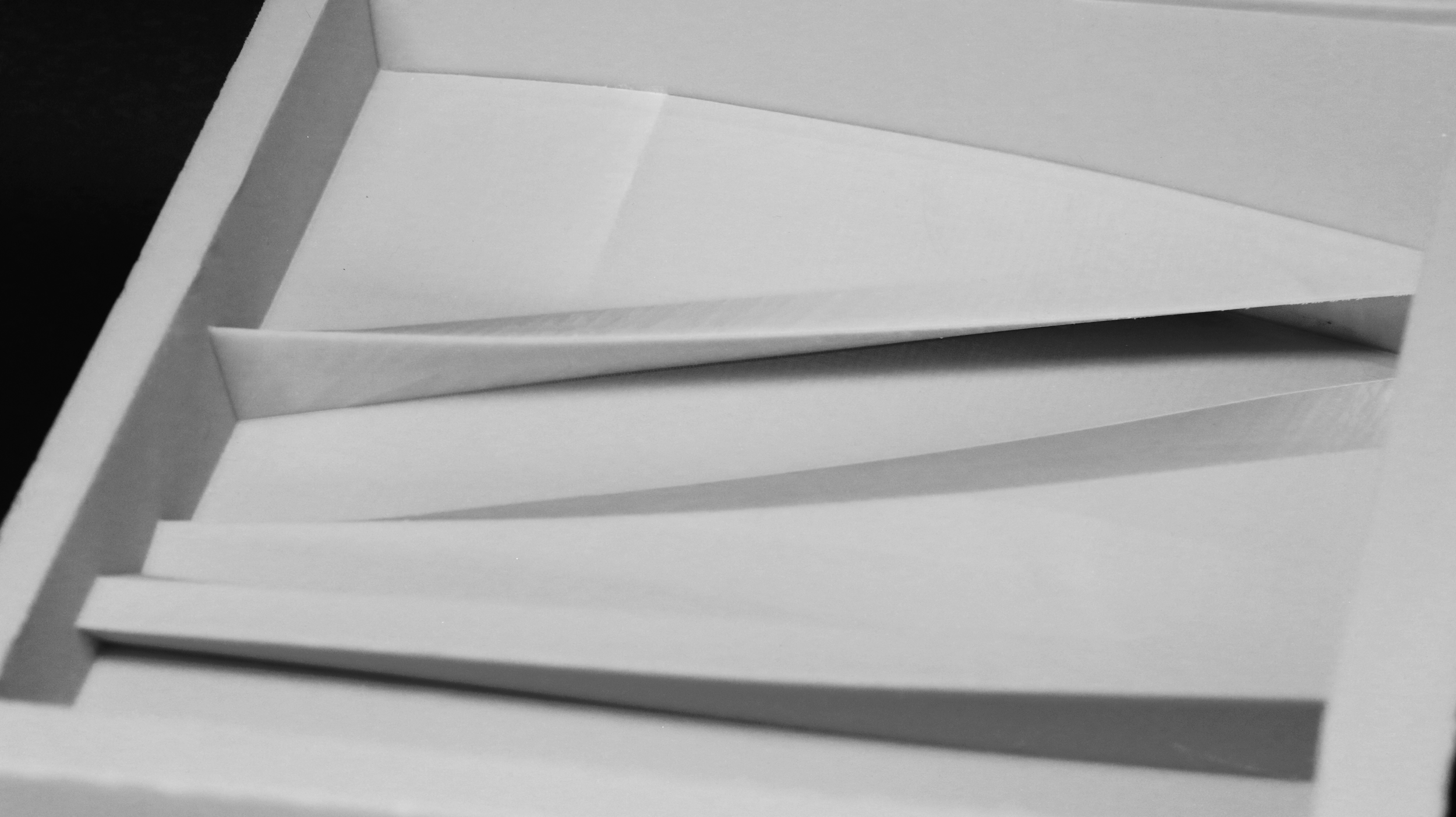
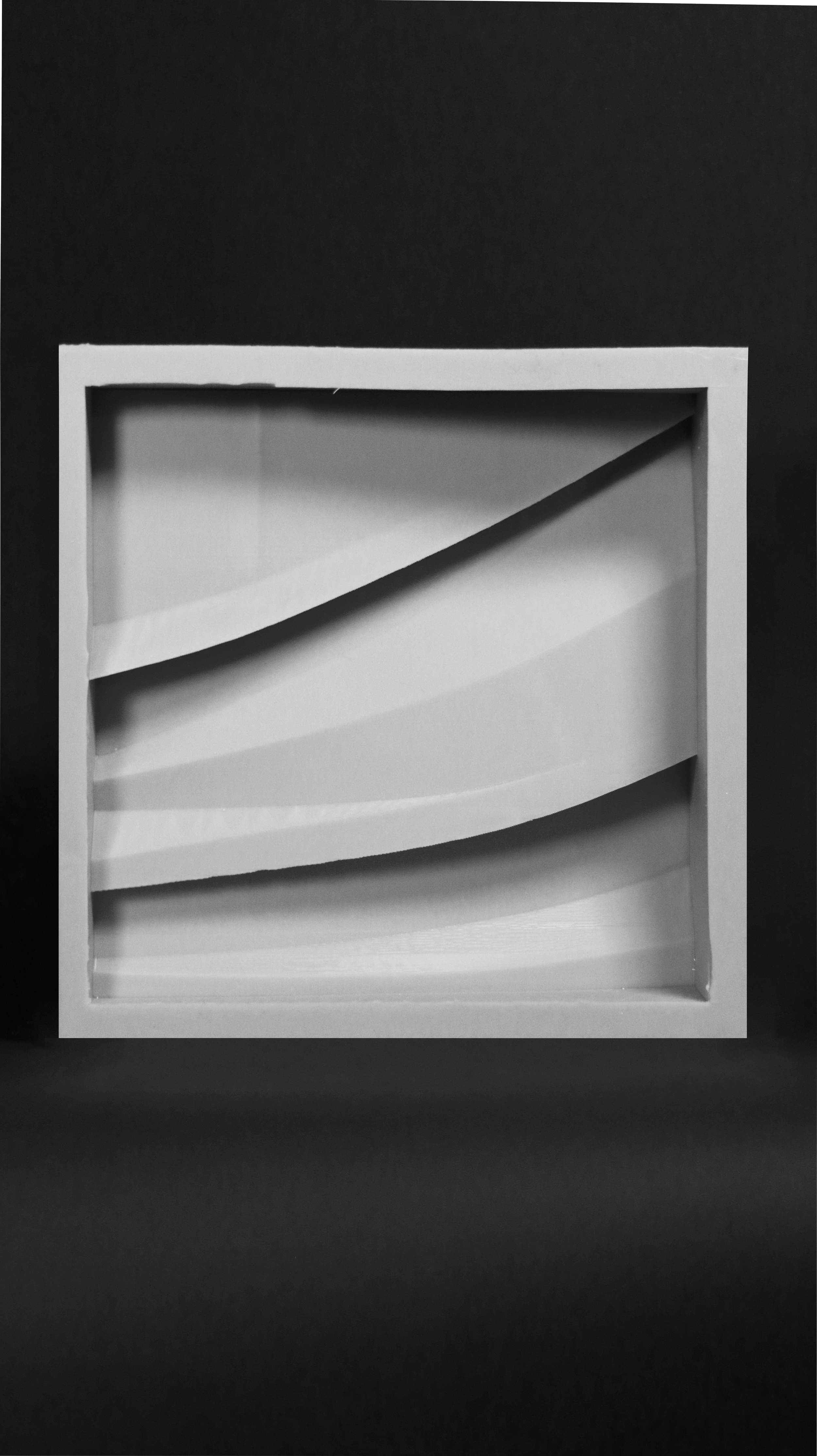
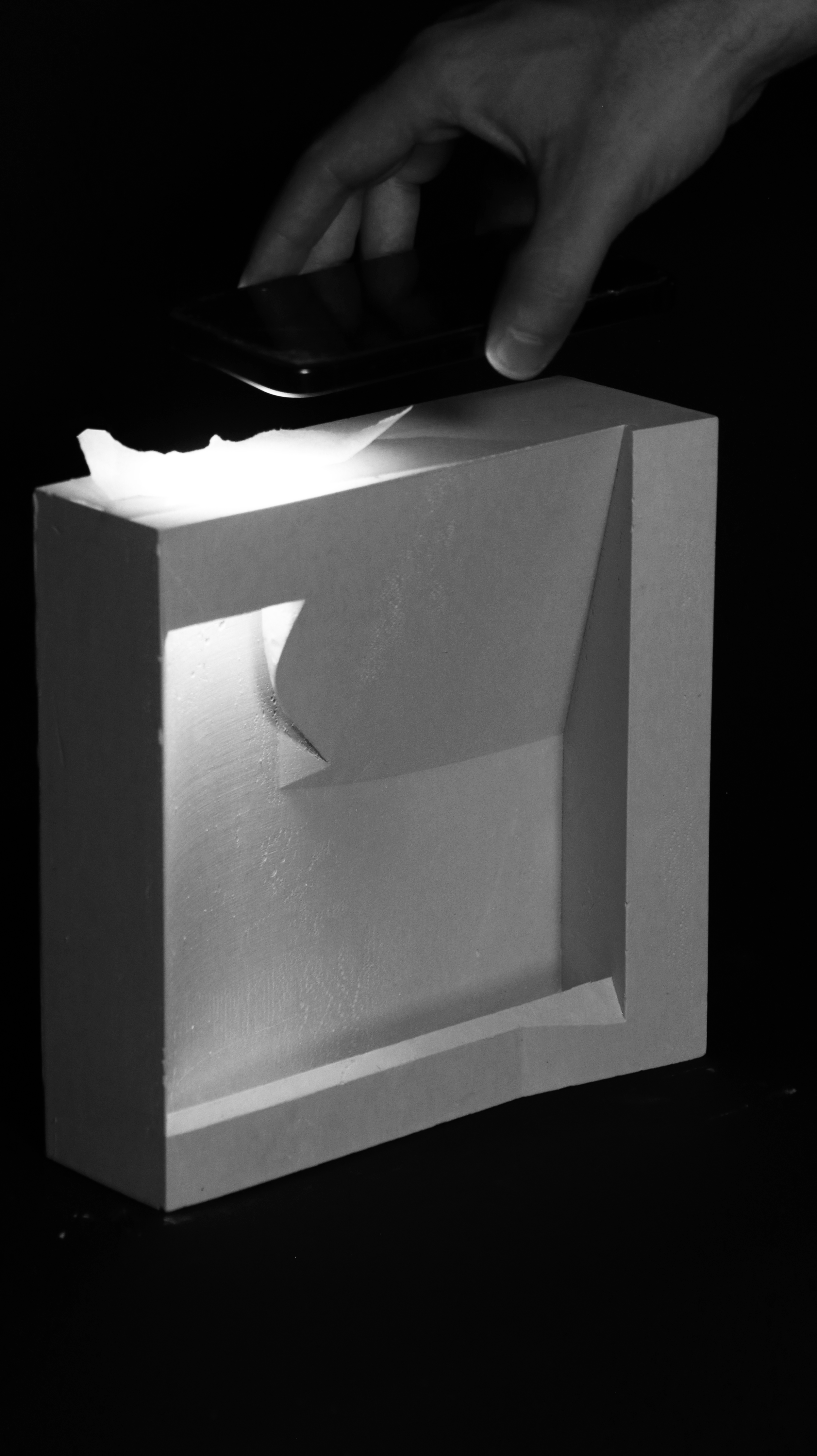
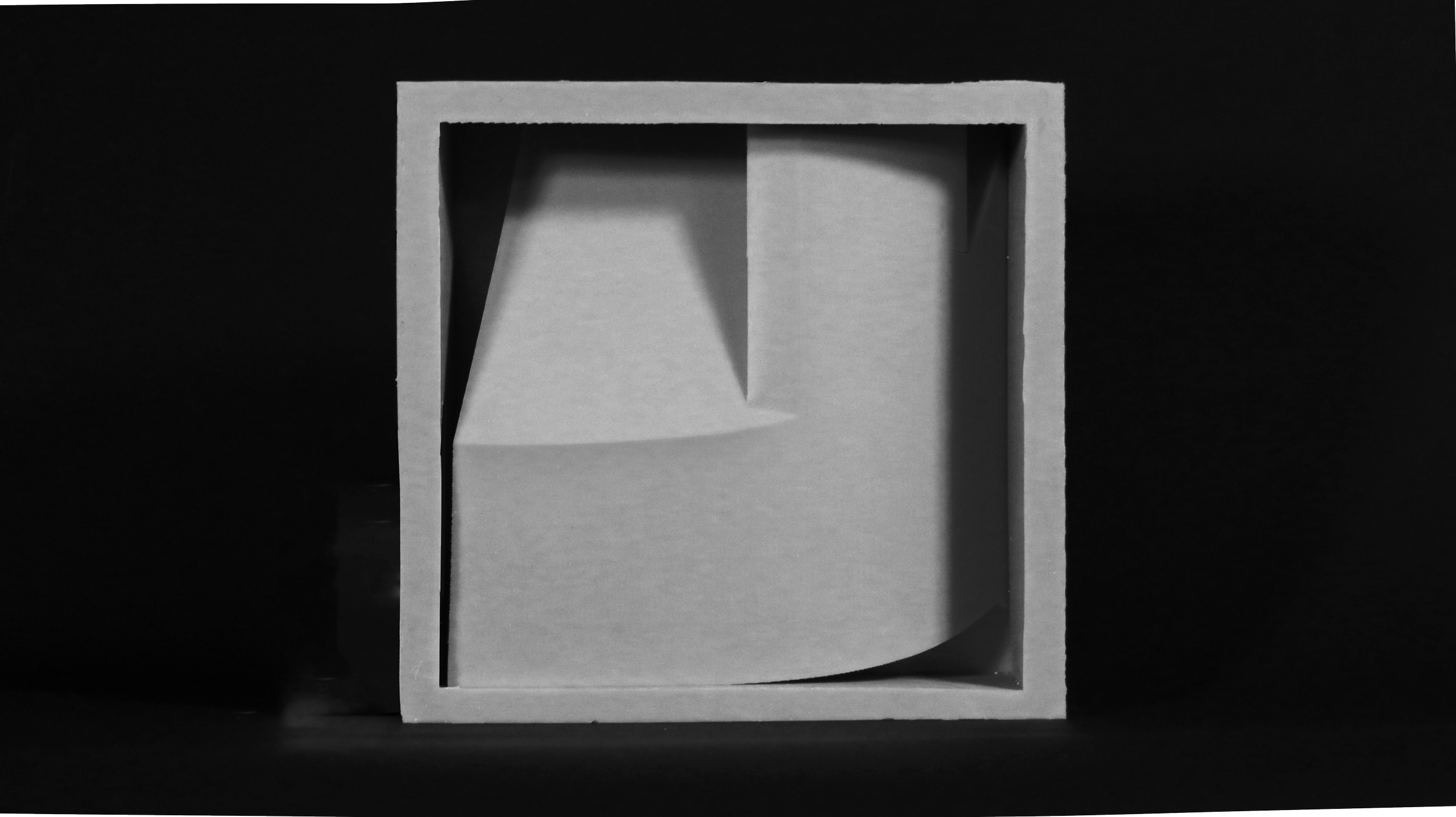
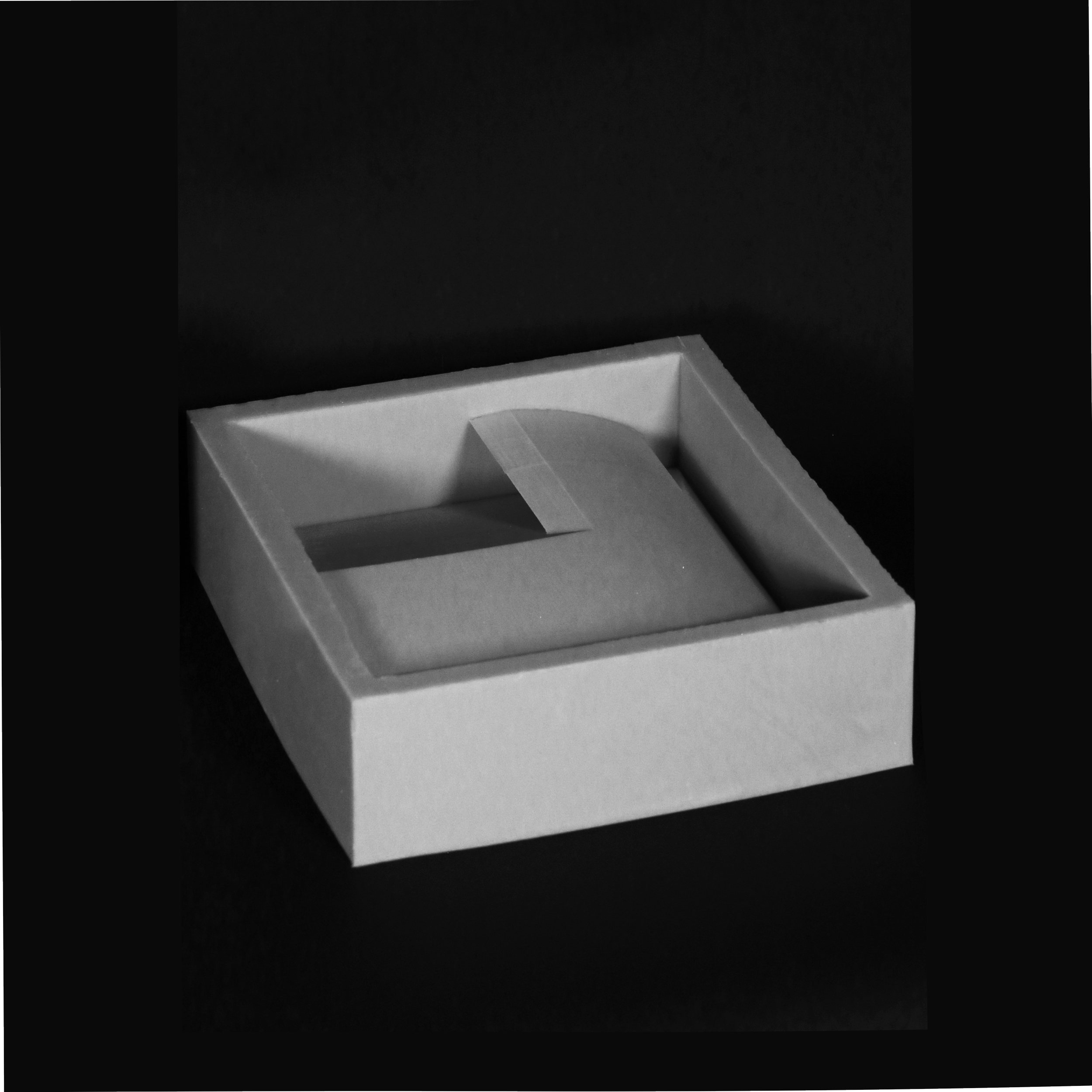
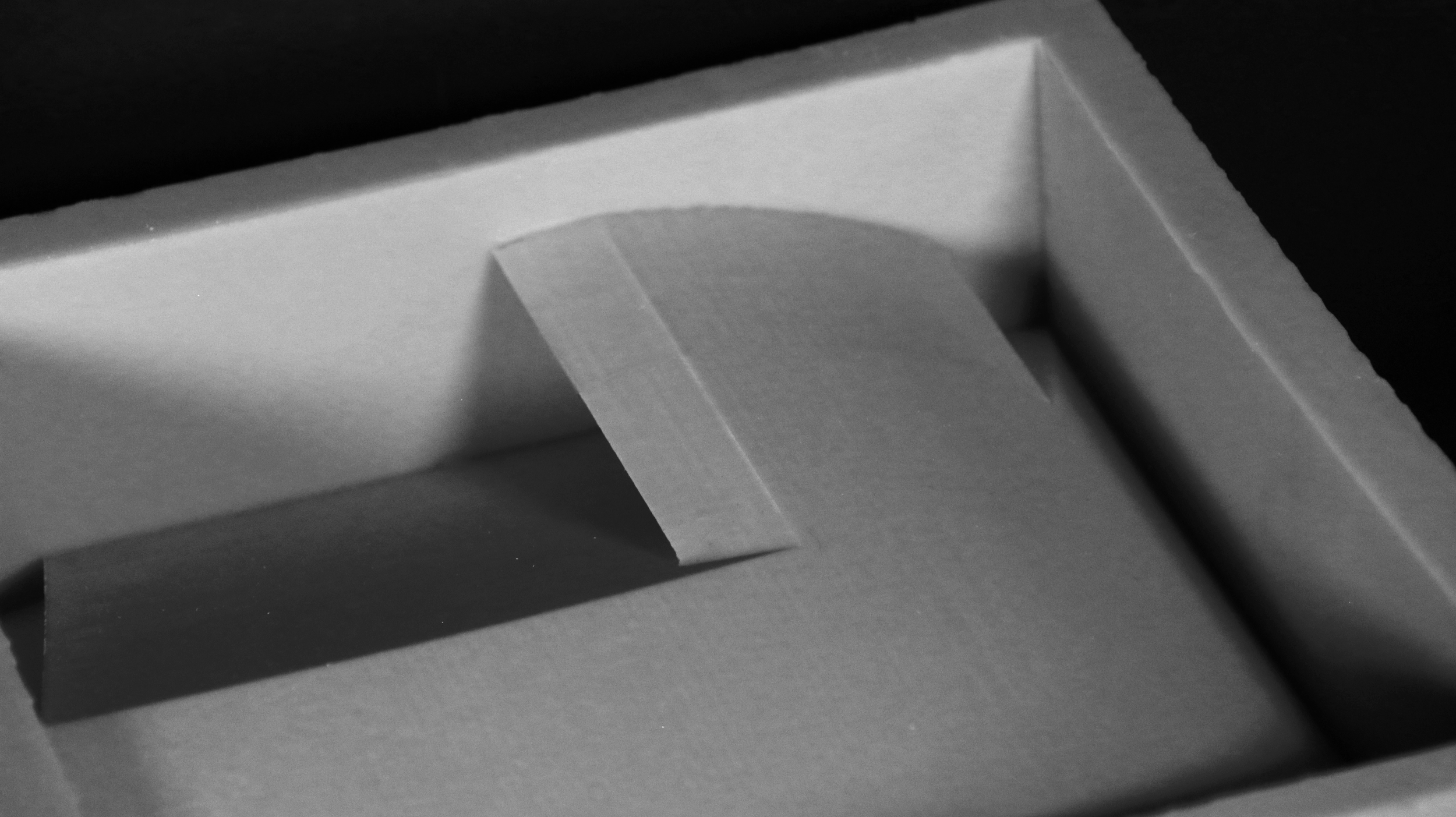
Void does not always clarify. It can conceal as much as it reveals. In Siza’s work, void is experiential rather than geometric, defined by light, movement, and bodily perception. Its ambiguity gives the space emotional depth, allowing it to remain open, layered, and continuously rediscovered.